
Every safari operator will tell you the Maasai Mara is a year-round destination, and technically that's true — there's wildlife here in every month of the calendar. But "year-round" hides a lot of real variation in what your trip will actually look like, and after years of building itineraries around this reserve, the season you pick changes more than just the price.
July to October: the migration months
This is what most people picture when they think of the Mara — the Great Migration's river crossings, when over a million wildebeest and zebra push across the Mara River chasing fresh grazing. It's genuinely spectacular, and it's also the busiest and most expensive stretch of the year. Camps book out months in advance, and popular crossing points can get crowded with vehicles.
If this is the experience you want, book early — six months out isn't unreasonable for the better camps — and talk to your guide about which crossing points tend to be quieter on a given week, since the migration itself doesn't move on a fixed schedule.
November to March: green season, fewer crowds
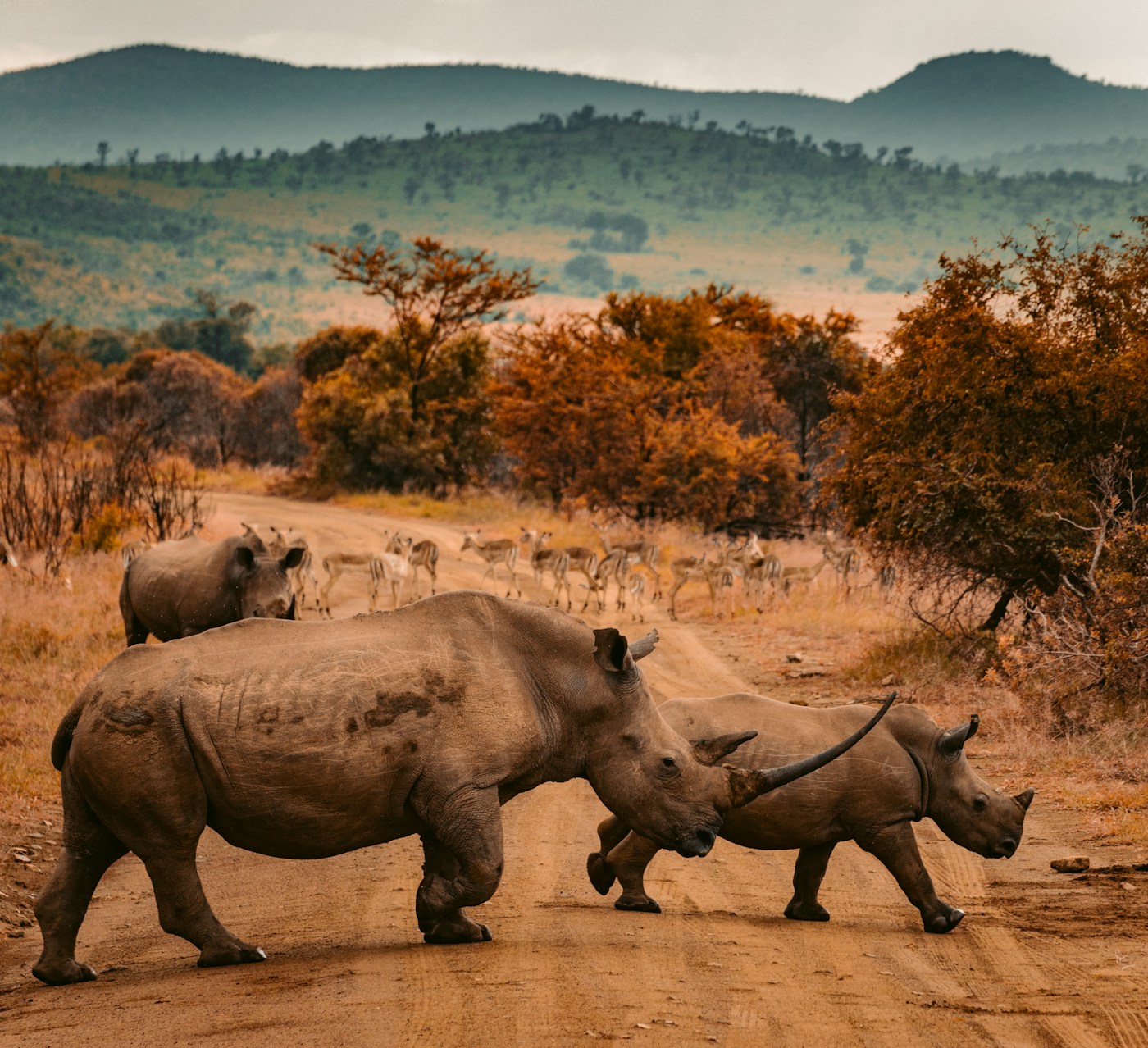
The short rains fall in November, turning the plains green and pulling resident wildlife away from the rivers and into the wider reserve. It's a quieter, often underrated season — fewer vehicles at sightings, lush scenery for photography, and noticeably lower rates at most camps.
- Lower camp rates, often 20–30% below peak season
- Newborn wildlife from resident herds (January–February calving)
- Occasional afternoon showers — rarely enough to disrupt game drives
Our honest recommendation
If the river crossing is the whole point of your trip, go in August or September and book well ahead. If you want a genuinely good safari without the crowds or the price tag, the first half of the green season is the one we recommend most often to first-time travelers who ask us directly.